Have you ever eagerly prepared a vibrant kale salad, only to be met with a chewy, somewhat bitter experience that left you wondering why everyone raves about this superfood? You're not alone. Raw kale, while incredibly nutritious, often gets a bad rap for its tough, fibrous texture and sometimes overpowering flavor. But what if we told you there's a simple, two-minute trick that can completely transform those sturdy leaves into a tender, deliciously palatable base for any salad? Enter the art of massaging kale.
Learning how to massage kale is a game-changer for anyone looking to enjoy this leafy green in its raw form without the usual struggle. This easy technique breaks down the kale’s tough cell walls, making it softer, less bitter, and significantly more enjoyable to eat. Forget limp lettuce or soggy spinach; massaged kale offers a sturdy yet tender texture that holds up beautifully to dressings and toppings, making it the ideal foundation for truly satisfying salads and hearty grain bowls.
What Exactly Does "Massaging Kale" Mean?
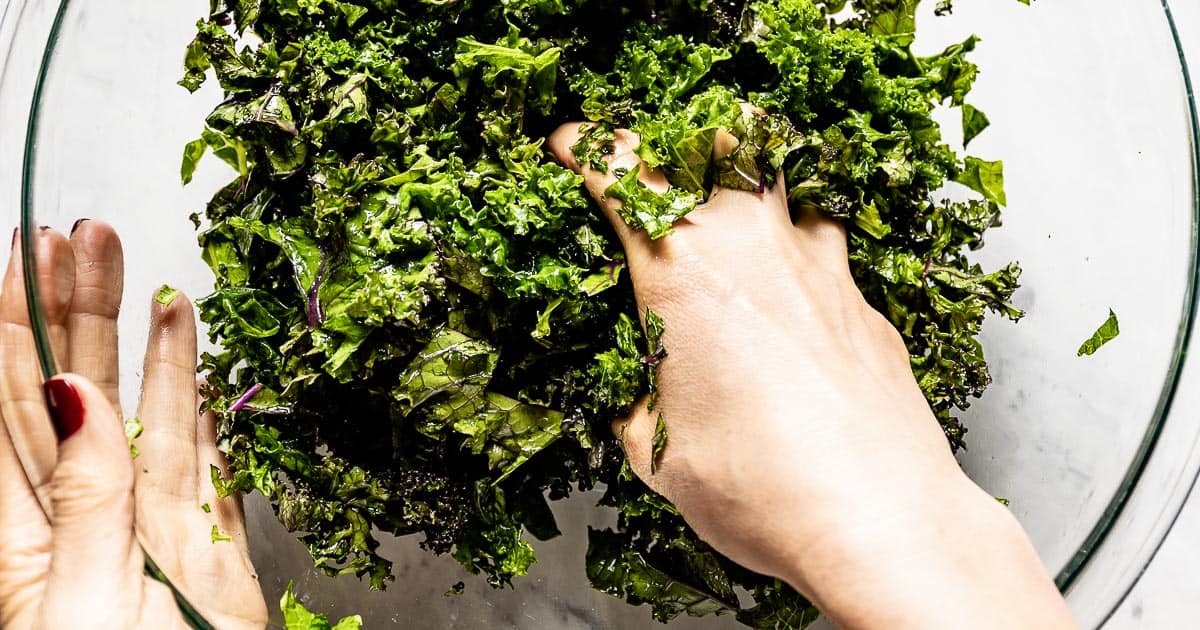
The term "massaging kale" might sound a little whimsical, even confusing, to the uninitiated. Some people imagine a bare-hand kneading ritual without any ingredients, leading to humorous (and likely unpleasant) outcomes. Rest assured, it's far less abstract and much more practical. At its core, massaging kale means precisely what it sounds like: using your hands to physically rub and squeeze a small amount of liquid, usually your salad dressing or simply olive oil and lemon juice, into the kale leaves.
This isn't just a culinary flourish; it's a deliberate technique designed to alter the kale's physical structure. As you work the dressing into the leaves with your hands, you're not just coating them; you're actively softening them. The friction and pressure, combined with the acidity and oil from the dressing, initiate a process that tenderizes the kale, making it more pliable and palatable. It's a quick, hands-on method that ensures your raw kale salads are no longer a chore, but a delight.
Why You Should Massage Kale: The Transformative Benefits
Once you experience the difference massaged kale makes, there's truly no going back to the unmassaged version. This simple two-minute step unlocks a multitude of benefits that elevate your kale salads from merely edible to absolutely irresistible. Many a registered dietitian recommends this method as one of the best ways to encourage people to fall in love with kale.
Here’s why taking those extra couple of minutes is so worthwhile:
- Unparalleled Tenderness: The primary reason to massage kale is to soften its notoriously tough texture. The physical act of rubbing and squeezing helps to break down the rigid cell walls and fibers in the leaves, transforming them from coarse and chewy into wonderfully tender and pliable bites that are a pleasure to eat.
- Enhanced Flavor & Reduced Bitterness: Massaging isn't just about texture; it also profoundly impacts the taste. The process mellows kale's characteristic bitterness, bringing out its sweeter, earthier notes. When combined with a flavorful dressing, the kale absorbs the flavors more effectively, resulting in a richer, more balanced taste profile.
- Improved Digestibility: Those tough fibers that make raw kale hard to chew also make it harder for your digestive system to break down. By tenderizing the leaves through massage, you're essentially kickstarting the digestive process, making kale easier on your stomach and ensuring you absorb more of its fantastic nutrients.
- Sog-Proof Salads: Unlike more delicate greens that wilt almost immediately upon contact with dressing, massaged kale holds its structure beautifully. In fact, it often tastes even better after sitting for a while, making it perfect for meal prepping, packing for lunch, or bringing to a potluck. Say goodbye to sad, soggy salads!
- Restaurant-Quality Results at Home: Ever wondered why kale salads at your favorite cafe taste so good? Chances are, they've been massaged. This simple technique is the secret to achieving that gourmet tenderness and flavor right in your own kitchen.
For a deeper dive into why this technique is so impactful, explore Why Massaging Kale is the Secret to Tender, Delicious Salads.
Your 2-Minute Guide: How to Massage Kale Step-by-Step
Ready to experience the magic yourself? Here’s a detailed, step-by-step breakdown of how to massage kale effectively in just about two minutes.
Step 1: Prepare Your Kale Leaves
- Remove Stems: Hold the bottom of a kale stem with one hand. With the other hand, grip the leaf near the base and slide it up the stem, stripping off all the leafy greens in one swift motion. Discard the tough stems.
- Tear into Pieces: Tear the de-stemmed kale leaves into bite-sized pieces. Aim for uniform pieces so they tenderize evenly.
- Wash and Dry Thoroughly: Place the torn kale pieces in a salad spinner and wash them well. It’s crucial to dry them completely afterward. Excess water will dilute your dressing and prevent it from adhering properly.
Step 2: Choose Your Massage Medium
The key to a successful massage is a liquid medium. While you can certainly use your favorite salad dressing, a simple combination works wonders. The acid in lemon juice or vinegar is particularly effective at breaking down kale’s fibers.
- Simple Go-To: A tablespoon or two of good quality olive oil and the juice of half a lemon (or a splash of apple cider vinegar). Add a pinch of salt and pepper for basic seasoning.
- Full Salad Dressing: If you have a prepared vinaigrette you love, use that! Ensure it has an oil and acid component.
Step 3: The Massage Itself
- Combine in a Large Bowl: Place your prepared, dry kale leaves into a large mixing bowl. Pour your chosen dressing or massage medium over the kale.
- Get Hands-On: With clean hands, dive into the bowl. Begin to gently yet firmly squeeze, rub, and scrunch the dressing into the kale leaves. Think of it like kneading dough, but with lighter pressure.
- Observe the Transformation: As you massage, you'll notice a distinct change. The kale will visibly shrink in volume, become darker green, and feel significantly softer and more pliable under your hands. The leaves will go from stiff to silken.
- Duration: Continue this process for at least 1 minute, and up to 2 minutes, ensuring every leaf is coated and worked over. The transformation happens quickly!
Step 4: Rest (Optional but Recommended) and Enjoy
Once massaged, your kale is ready to be enjoyed immediately. However, for even deeper tenderization and flavor infusion, cover the bowl and let the massaged kale rest for 10-15 minutes at room temperature, or even longer in the refrigerator. This allows the dressing to further penetrate the leaves.
Which Kale Varieties Benefit Most?
While most varieties of mature kale benefit immensely from massaging, some are particularly suited to it:
- Curly Kale: This is the most common variety, recognized by its ruffled, dark green leaves. It's quite fibrous and responds wonderfully to massage, becoming beautifully tender.
- Lacinato Kale (Dinosaur Kale): With its darker, flatter, often crinkled leaves, lacinato kale is another excellent candidate. Massaging transforms its slightly leathery texture into a supple base.
- Red Russian Kale: This variety has flat, oak-leaf-shaped leaves with purplish stems. It's generally a bit more tender than curly kale but still benefits significantly from a good massage.
When NOT to Massage: "Baby" kale, found in many mixed greens bags, is already very tender and doesn't require massaging. It's best used as is.
Beyond the Basics: Expert Tips for Kale Massage Mastery
- The Power of Acid is Key: Don't skip the acidic component (lemon juice, vinegar). The acid helps to chemically break down the tough cellulose in kale, working in tandem with the physical massage.
- Don't Overdress (Initially): Start with a small amount of dressing or oil/lemon. You can always add more later if needed. Too much liquid can make the massaging process messy and the final salad oily. About 1-2 tablespoons per bunch of kale is usually a good starting point.
- The "Feel" Test: How do you know when you've massaged enough? The kale will feel noticeably softer, almost silky, and will have shrunk considerably in volume. It should look darker green and limp, in a good way!
- Batch Prep Magic: Because massaged kale doesn't get soggy, it's ideal for batch preparation. Massage a large quantity at the beginning of the week, store it in an airtight container in the fridge, and pull out portions for quick salads, grain bowls, or even smoothies throughout the week.
- Flavor Combinations for Your Dressing: Get creative with your massage medium! Besides olive oil and lemon, consider adding:
- A dash of balsamic or red wine vinegar.
- Minced garlic or garlic powder.
- A teaspoon of Dijon mustard for tang.
- Nutritional yeast for a cheesy flavor.
- A touch of maple syrup or honey to balance acidity.
If you're still grappling with how to make your kale dishes truly shine, you might find more inspiration in Tired of Tough Kale? Unlock Softer, Tastier Salads with Massage.
Conclusion
Massaging kale is a deceptively simple yet incredibly effective technique that elevates raw kale from a tough, often unappealing green to a tender, flavorful, and highly enjoyable salad base. In just two minutes, you can transform your greens, reduce bitterness, improve texture, and enhance digestibility, all while creating salads that stay fresh longer. So, the next time you're contemplating a kale salad, remember this easy trick. A little hands-on attention is all it takes to unlock the full potential of this powerhouse vegetable and truly transform your meals.
