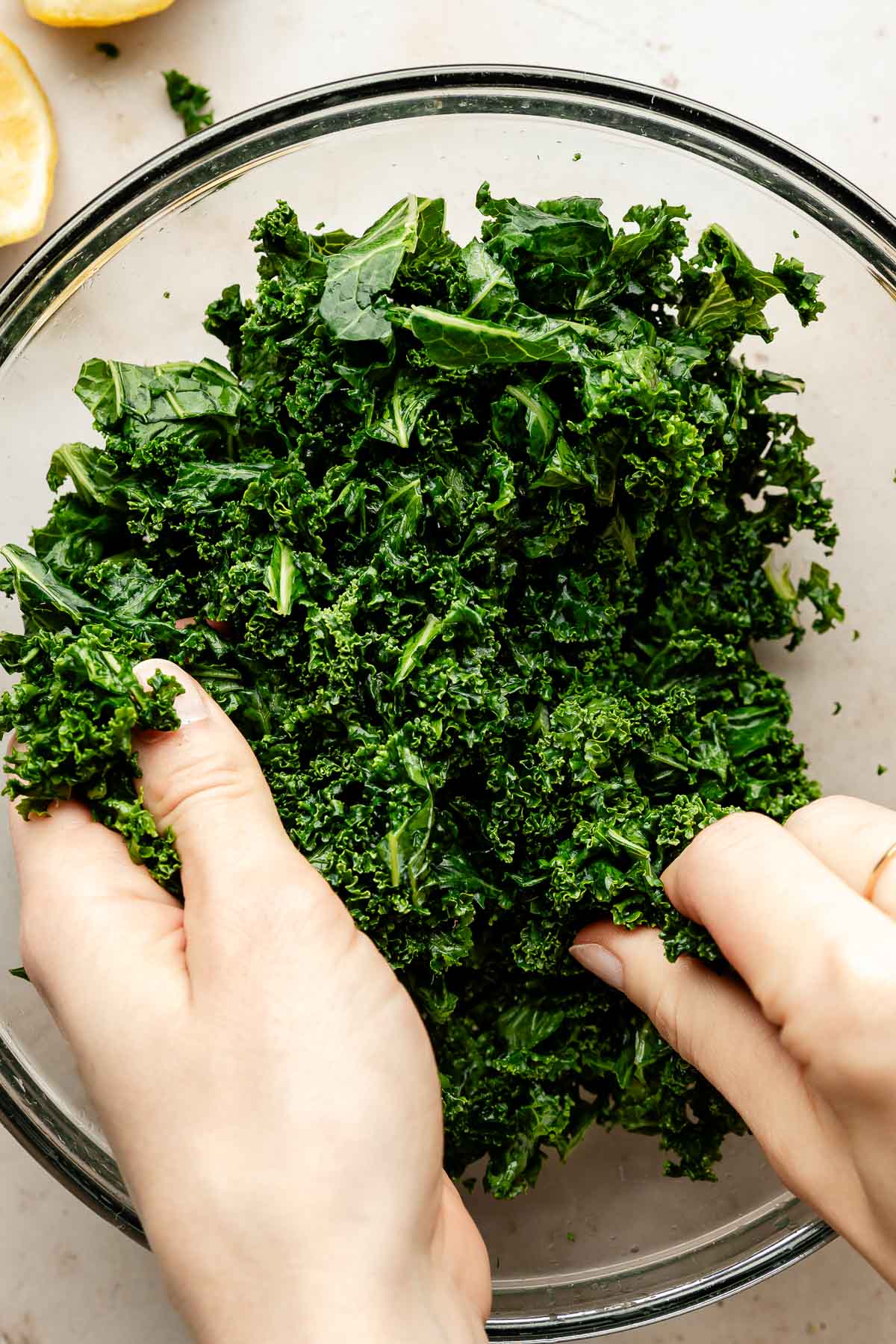
Have you ever prepared a beautiful kale salad, only to find yourself struggling through tough, fibrous leaves that are difficult to chew and even harder to enjoy? You're not alone! Kale, despite its incredible nutritional benefits, can be notoriously rigid in its raw form. But what if we told you there's a simple, almost magical technique that can transform those stubborn greens into a silky-smooth, deliciously tender base for your salads? Enter the art of how to massage kale.
Massaging kale isn't just a culinary quirk; it's a game-changer that makes this superfood not only more palatable but also easier to digest. This simple, hands-on method softens the leaves, mellows their sometimes-bitter flavor, and primes them to absorb dressing like a dream. If you've ever dismissed kale salads as too "healthy" to be truly enjoyable, prepare to have your mind (and your taste buds!) completely changed.
What Exactly Does It Mean to "Massage" Kale?
The term "massaging kale" might conjure up images of a spa day for your vegetables, but in reality, it's a straightforward kitchen technique. At its core, massaged kale means the leaves have been physically worked with your hands, typically with the aid of a little dressing or acid. It's not about being gentle; it's about applying pressure and friction to literally break down the kale's robust cellular structure.
Forget any confusion you might have heard — no, you're not just rubbing bare kale leaves together (though that certainly would be an interesting experiment!). Instead, you're actively squeezing, rubbing, and kneading dressing or a simple acid (like lemon juice or vinegar) into the chopped greens. This combination of physical force and chemical interaction is what performs the tenderizing magic.
The Magic Behind the Method: Why Massage Kale?
So, why bother with this extra step? The answer lies in the fundamental structure of kale leaves. Raw kale is packed with tough, fibrous cellulose. While excellent for fiber intake, this very quality makes it challenging to chew and digest. When you learn how to massage kale, you're essentially performing two key actions that combat this toughness:
1. Physical Breakdown of Fibers
The act of squeezing and rubbing the kale leaves with your hands physically breaks down the rigid cell walls and fibers. Imagine breaking down a tough piece of meat — the principle here is similar, but for plant cells. This manual process softens the texture, making the kale significantly more pliable and pleasant to eat. What starts as coarse, unyielding foliage transforms into something much more yielding and tender.
2. Chemical Transformation with Acid
Most kale massaging techniques involve adding an acidic component, such as lemon juice or a vinaigrette containing vinegar. This isn't just for flavor. The acid plays a crucial role in further breaking down the kale's tough cell structure. It helps to denature proteins and soften the cellulose, accelerating the tenderizing process. This interaction also works to neutralize some of the inherent bitterness often found in raw kale, leaving you with a milder, sweeter flavor profile that truly shines in salads.
The combined effect is profound. Not only does massaged kale become incredibly soft and easy to chew, but its flavor also mellows and brightens. It's a noticeable difference that once experienced, makes it hard to go back to unmassaged kale salads. This simple technique truly unlocks a new level of enjoyment for this powerhouse green. To dive deeper into the science and benefits, explore Why Massaging Kale is the Secret to Tender, Delicious Salads.
Beyond Softness: Unlocking Kale's Full Potential
While tenderness is undoubtedly the primary benefit, massaged kale offers several other advantages that elevate your culinary experience:
- Superior Flavor Absorption: By breaking down the cell walls, massaged kale becomes far more receptive to dressings and marinades. The leaves act like little sponges, soaking up all the delicious flavors you've added, leading to a much more cohesive and flavorful salad.
- Enhanced Digestibility: For many, raw kale can cause digestive discomfort due to its fibrous nature. By tenderizing it, you're effectively pre-digesting some of those tough fibers, making it much gentler on your stomach. This means you can enjoy all the nutrients without the potential bloat.
- No More Soggy Salads: Unlike delicate greens like lettuce, massaged kale holds up remarkably well over time. In fact, it often tastes even better after sitting for an hour or two, as the flavors meld and the kale continues to soften. This makes it an ideal candidate for meal prepping. You can make a large batch and enjoy fresh-tasting salads throughout the week without worrying about wilting or sogginess.
- Versatility: Once massaged, kale's milder flavor and softer texture make it incredibly versatile. It's not just for salads; use it as a base for grain bowls, in wraps, or lightly sautéed for a quick side dish.
Choosing Your Kale: The Right Leaves for the Job
Before you learn how to massage kale, it's good to know which type of kale will yield the best results. While you can technically massage almost any variety, some respond better than others. The main distinction is between mature kale and "baby" kale.
- Mature Kale (Curly Green Kale, Lacinato/Dinosaur Kale, Red Kale): These are your prime candidates for massaging. Their thicker, tougher leaves are precisely what benefit most from this technique. Lacinato kale (also known as Tuscan or Dinosaur kale) is a particular favorite for its slightly sweeter flavor and sturdy texture that transforms beautifully. Curly green kale, with its ruffled edges, also becomes wonderfully tender and holds dressing well.
- Baby Kale: This tender variety typically doesn't require massaging. Its leaves are already delicate and soft, making it suitable for quick salads right out of the bag. Massaging baby kale might make it too limp.
Your Step-by-Step Guide on How to Massage Kale for Perfect Salads
Ready to transform your kale? Here's a simple, step-by-step guide to mastering the art of massaged kale:
-
Step 1: Prepare Your Kale Leaves
Start with a bunch of fresh, mature kale. Hold the bottom of a stem with one hand and, with the other hand, slide your fingers firmly up the stem, stripping off the leaves. Discard the tough stems. Tear the leaves into bite-sized pieces — about 1-2 inches — and place them in a large bowl.
-
Step 2: Wash and Dry Thoroughly
Rinse the torn kale leaves well under cold water. It's crucial to dry them thoroughly, ideally using a salad spinner. Excess water will dilute your dressing and prevent it from adhering properly to the leaves.
-
Step 3: Prepare Your Dressing (or choose an acid)
While you can use almost any vinaigrette, a simple dressing works wonders. A classic choice is a mix of good quality olive oil, fresh lemon juice (this is your crucial acid!), a pinch of salt, and freshly ground black pepper. You can also add a minced garlic clove for extra flavor. For this step, you don't need much; just enough to coat the leaves. About 1-2 tablespoons of olive oil and 1 tablespoon of lemon juice per bunch of kale is a good starting point.
-
Step 4: Pour Dressing Over Kale
Drizzle your prepared dressing (or simply the olive oil and lemon juice) over the dry kale leaves in the large bowl.
-
Step 5: The Massage!
This is where the magic happens. Roll up your sleeves, ensure your hands are clean, and dive in! Using your hands, begin to vigorously squeeze, rub, and knead the dressing into the kale leaves. You should feel the leaves start to soften and darken in color. Continue this action for about 1 to 2 full minutes. Don't be shy — really get in there and work those leaves! You'll notice the volume of the kale reduces significantly as it softens. For a deeper dive into the timing, see Massage Kale in 2 Minutes: Transform Tough Greens for Better Salads.
-
Step 6: Rest (Optional but Recommended)
Once the kale feels tender and has reduced in volume, you can cover the bowl and let it sit for another 10-15 minutes at room temperature. This allows the flavors to meld further and the kale to continue softening, yielding an even more delicious result. It's perfectly fine to serve it immediately, too!
Expert Tips for Kale Massage Mastery
- Don't Skip the Acid: While oil helps, the acid (lemon juice, apple cider vinegar, red wine vinegar) is key for breaking down those tough fibers and mellowing bitterness. It's non-negotiable for best results.
- Taste as You Go: After the initial massage, taste a leaf. Does it need more salt? More acid? Adjust your dressing as needed before adding other ingredients.
- Experiment with Dressings: Beyond the basic lemon-olive oil, try a tahini dressing, a balsamic vinaigrette, or a spicy peanut dressing. The massaged kale will absorb these complex flavors beautifully.
- Consider Flavored Oils: Garlic-infused olive oil or a chili oil can add another layer of flavor right into your initial massage.
- Batch Prep for the Week: Massaged kale is a meal prepper's dream. Prepare a large batch with a simple dressing and store it in an airtight container in the fridge for up to 3-5 days. Add fresh toppings (nuts, seeds, fruits, cheese, protein) just before serving.
- Beyond Salads: Use your perfectly massaged kale as a bed for roasted vegetables, grilled proteins, or mixed into warm grain bowls. It's a fantastic way to boost the nutrient content of any meal.
Conclusion
Learning how to massage kale is a small step in your kitchen routine that yields enormous rewards. It transforms a tough, often intimidating leafy green into a tender, flavorful, and easily digestible component of any meal. By embracing this simple technique, you're not just preparing food; you're unlocking the full potential of kale, making healthy eating more enjoyable and accessible. So, next time you're eyeing that bunch of kale, don't just chop and dress — take a minute to massage, and prepare to fall in love with kale salads all over again.
